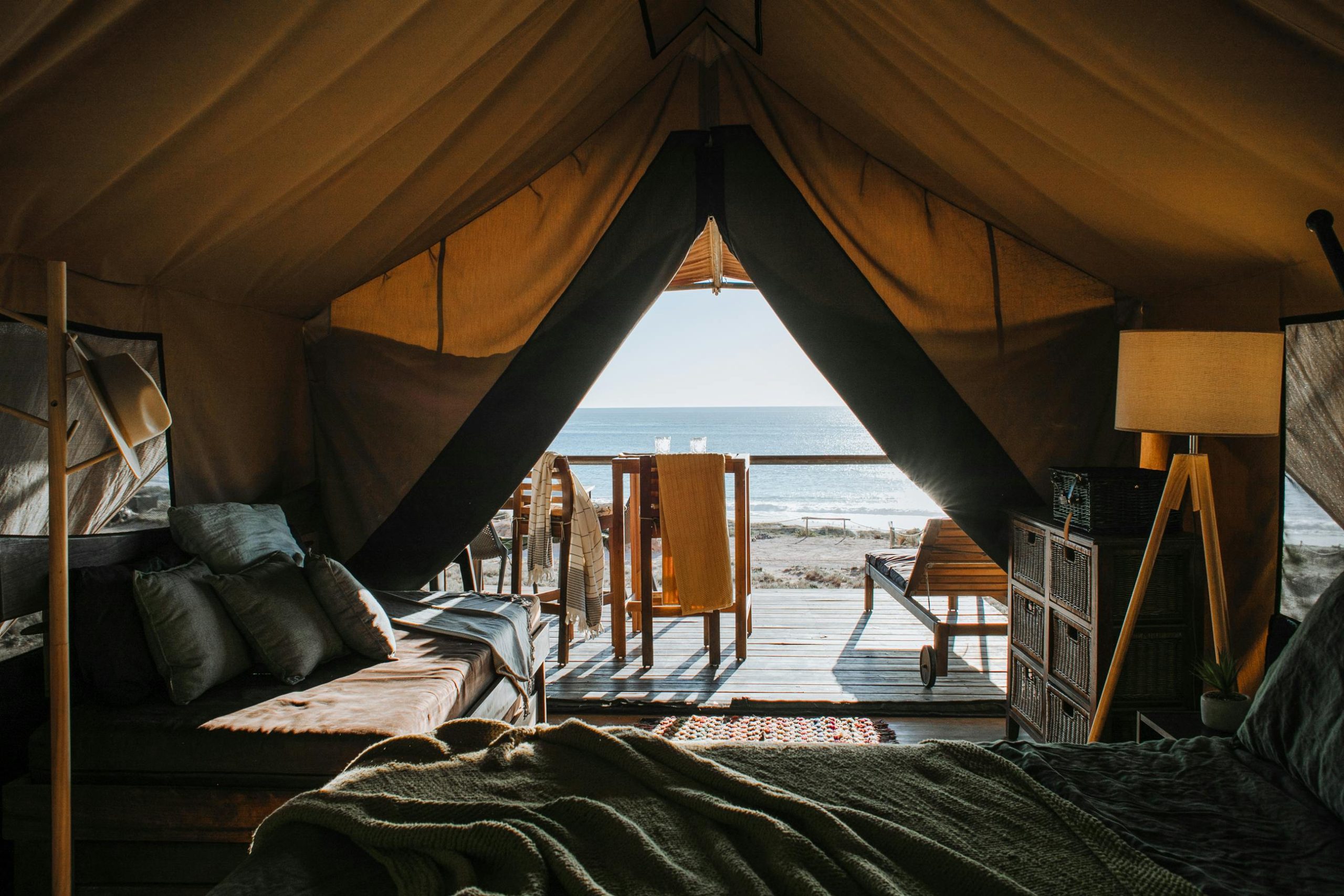
The glamping industry in the UK has seen tremendous growth in recent years, with more holidaymakers seeking unique outdoor experiences without sacrificing comfort and memories. This fusion of glamour and camping—hence “glamping”—offers entrepreneurs an exciting business opportunity with lower startup costs than traditional hospitality ventures while catering to the growing demand for experiential tourism and staycations.
This guide will walk you through the vital steps to establish a successful glamping business in the UK market and learn some marketing tips and tricks.
Market Overview
The UK glamping market has shown remarkable resilience and growth, even amidst economic uncertainties and the cost of living increasing. According to recent industry reports, the UK alternative accommodation sector, which includes glamping, was valued at over £2.5 billion in 2023 and is projected to grow at around 8-10% annually over the next five years. A good growth forecast to build a business on.
Key market drivers include:
- Increased domestic tourism post-pandemic (Staycations)
- Growing environmental consciousness among travellers
- Rising demand for unique, Instagram-worthy experiences
- Desire to disconnect from technology while maintaining comfort
- Higher average spend compared to traditional camping
Here is our step by step guide to building a glamping business in the uk.
1. Target Market Identification
Define your ideal guests to guide your business decisions:
Couples: Seeking romantic getaways and experiences with privacy and luxury touches
Families: Requiring safe spaces for children and family-friendly activities
Groups: Looking for multiple units and communal spaces
Eco-conscious travellers: Valuing sustainability and minimal environmental impact
Luxury seekers: Expecting high-end amenities and exceptional service
2. Find & Secure the Right Location
The success of your glamping business depends largely on location. Its all about the LOCATION LOCATION LOCATION.
When choosing a site, consider:
- Planning Permission: Check local council regulations and secure necessary permissions. (View our blog on planning permission for garden rooms here.
- Accessibility: Ensure the site is reachable by road and has large parking facilities.
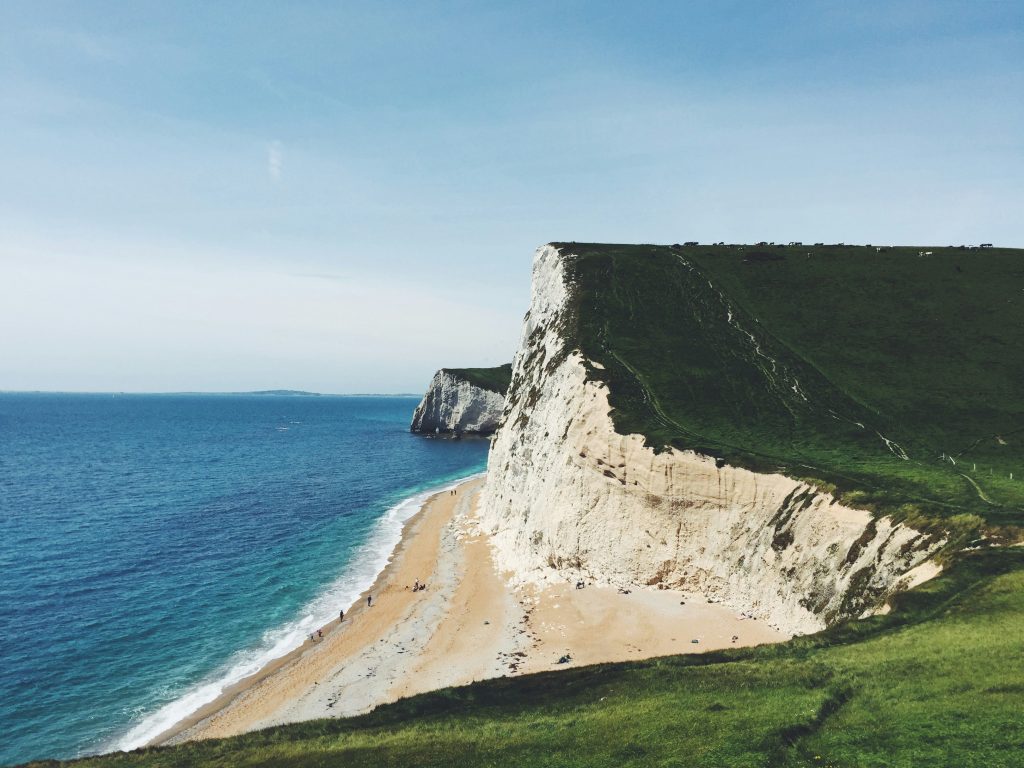
- Natural Beauty: Stunning landscapes enhance the glamping experience, and getting guests to take photos and tag you is key for marketing and recommendations.
- Infrastructure: Access to water, electricity, and waste disposal is essential.
If you don’t already own land, leasing or partnering with a landowner could be an option, which could be a lengthy process to build that relationship.
3. Obtaining Planning Permission
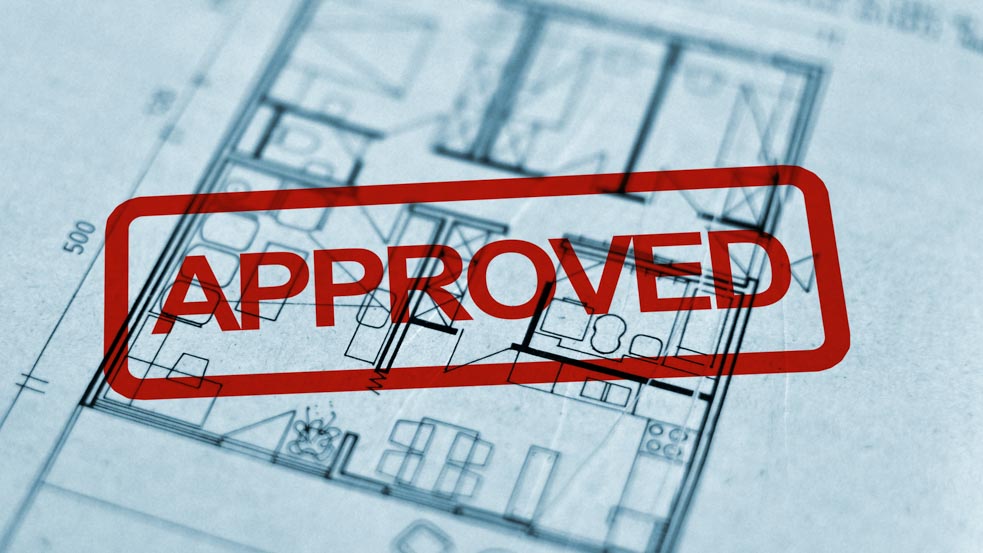
Planning Permission
Before investing heavily, confirm planning requirements:
- Change of use applications: Often required when converting agricultural land
- Temporary vs. permanent structures: Different rules may apply based on your accommodation type.
- Pre-application advice: Seek guidance from local planning authorities before formal submission
- Certificate of Lawful Use: May be required to confirm your operation is lawful
4. Licences and Certifications
Necessary permits may include:
Public liability insurance: Essential protection against potential claims from customers and staff.
Site licence: Required for operating a campsite with more than a specific number of pitches
Food hygiene certificates: If providing breakfast or other food services
Alcohol licence: If serving alcoholic beverages
Fire safety certification: Ensuring compliance with fire regulations
5. Environmental Considerations
Addressing environmental impact is increasingly important:
- Waste management systems: Consider composting toilets or eco-friendly sewage solutions.
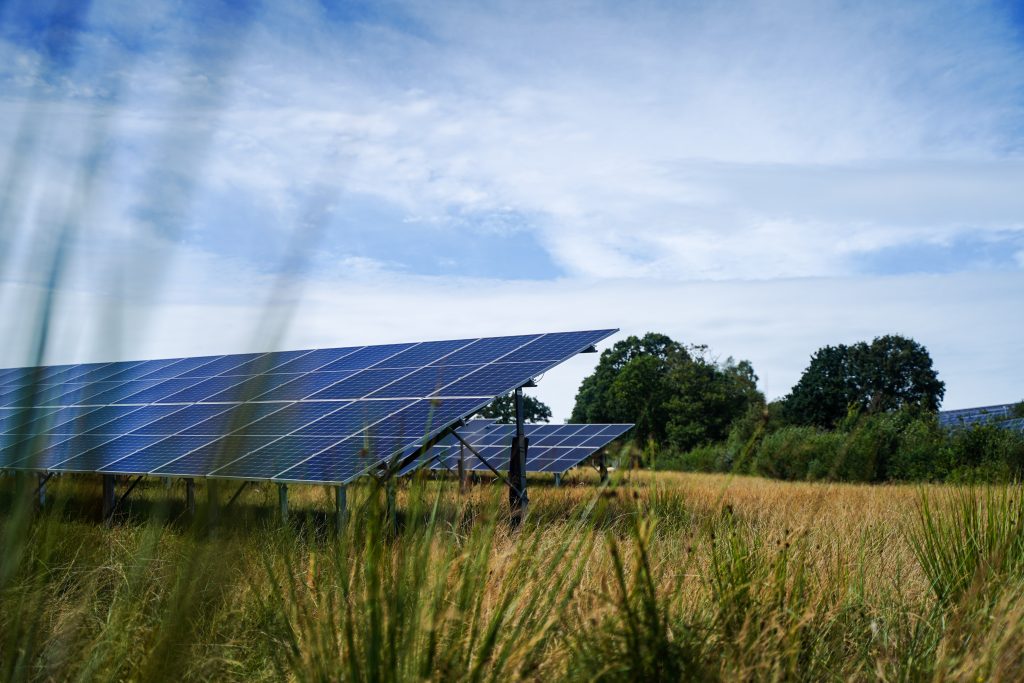
- Renewable energy: Solar panels and battery storage units can reduce costs and appeal to eco-conscious guests.
- Water conservation: Rainwater harvesting and efficient fixtures.
- Habitat protection: Minimising disruption to local wildlife, whilst also showing it off to guests.
- Dark sky compliance: Reducing light pollution in rural areas.
6. Secure Funding & Manage Costs
Starting a glamping business requires an initial investment, which varies based on location, accommodation type, and facilities. Funding options include:
- Personal savings or family investment
- Business loans or grants (e.g., rural development grants)
- Crowdfunding or investor partnerships
Careful budgeting is crucial—consider initial setup costs, maintenance, marketing, and operational expenses. Cash flow at the start will also be key to the running of the glamping campsite and experience of the guests in the beginning.
7. Financial Planning & Marketing Strategy
Startup Costs
Initial investments typically include: (These are estimates)
- Land acquisition/lease: £50,000-£500,000+ depending on location and size
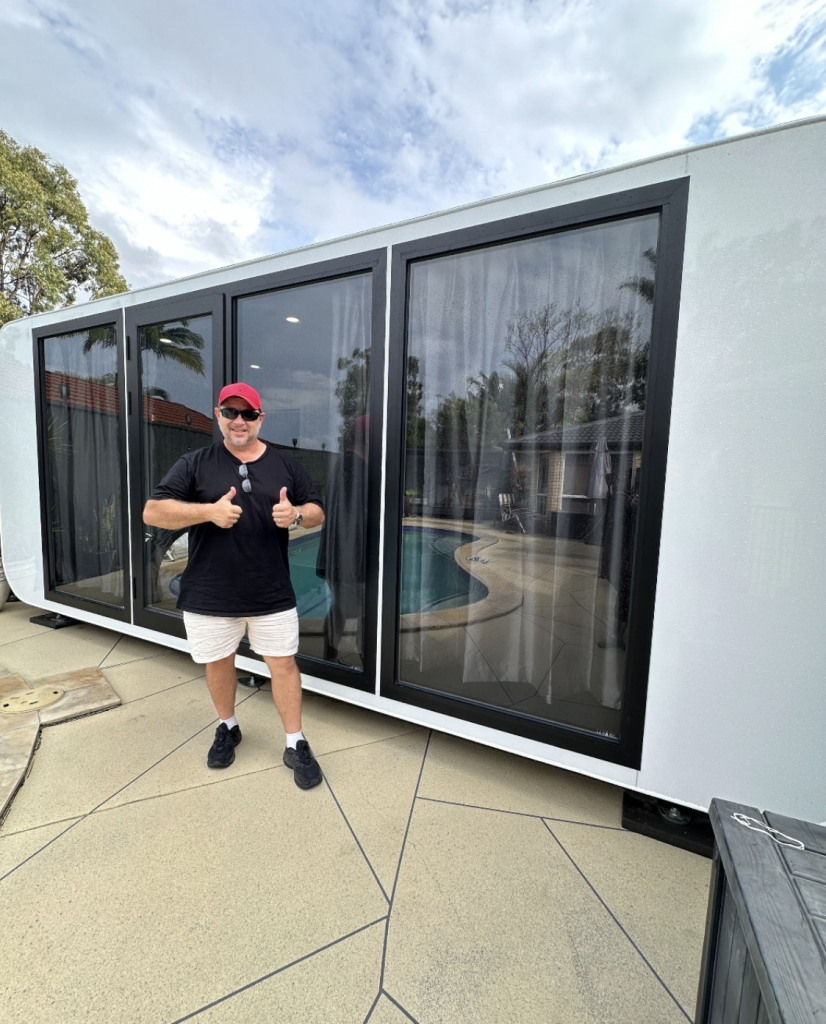
- Accommodation units: £5,000-£50,000+ per unit depending on type and quality. You can view our annex liveable spaces and garden rooms here.
- Infrastructure: £20,000-£100,000 for utilities, access roads, and facilities
- Furnishings and décor: £1,000-£10,000 per unit
- Website and booking system: £2,000-£5,000
- Planning and legal fees: £5,000-£15,000
- Contingency fund: 10-15% of total budget
8. Revenue Projections
Typical glamping businesses operate with:
- Occupancy rates: Between 40-70% annual average (higher in peak season, lower in off-season)
- Nightly rates: £80-£250+ depending on accommodation type, location and additional extras.
- Seasonal adjustments: Premium pricing during peak seasons, promotional rates during off-peak
- Additional revenue streams: Activities, food services, retail, or experience packages
9. Operational Costs
Ongoing expenses to consider:
- Staff costs: Site management, cleaning, maintenance, customer service
- Utilities: Water, electricity, gas, internet, waste management
- Maintenance: Regular upkeep of structures and grounds
- Marketing: Digital advertising, website maintenance, photography
- Booking platform commissions: Typically 15-25% of booking value
- Insurance: Public liability, buildings, contents, business interruption
- Loan repayments: If financing was used for startup
10. Marketing and Promotion
10.1 Digital Presence
Essential online marketing elements:
- Professional website: Mobile-friendly with high-quality images and online booking capability. The more info the better, so guests can make a quick decision.
- Search engine optimisation: Local and niche keywords to attract targeted traffic on Google search.
- Google Business Profile: Enhanced visibility for local searches
- Advertising: Google and Meta ads can be a game changer for your business, if you get good content and target the right keywords, for guests to find you online.
- Social media: Especially visual platforms like Instagram and Pinterest.
- Content marketing: Blog posts highlighting local attractions and experiences
- Influencer Partnerships: Partner with different influencers, for them to promote your glamping business on their socials.
11. Listing Platforms
Key distribution channels to get you that extra reach and eyeballs.
- Specialised glamping platforms: Canopy & Stars, Cool Camping, Glamping Hub
- Mainstream booking sites: Airbnb, Booking.com, Expedia
- Local tourism websites: Regional destination marketing organisations
- Experience marketplaces: Virgin Experience Days, Red Letter Days
12. Unique Selling Proposition
Differentiate your business through:
- Themed experiences: Wellness retreats, foraging weekends, stargazing
- Local partnerships: Collaborations with activity providers, restaurants, and attractions
- Sustainability initiatives: Zero-waste policies, renewable energy, conservation efforts
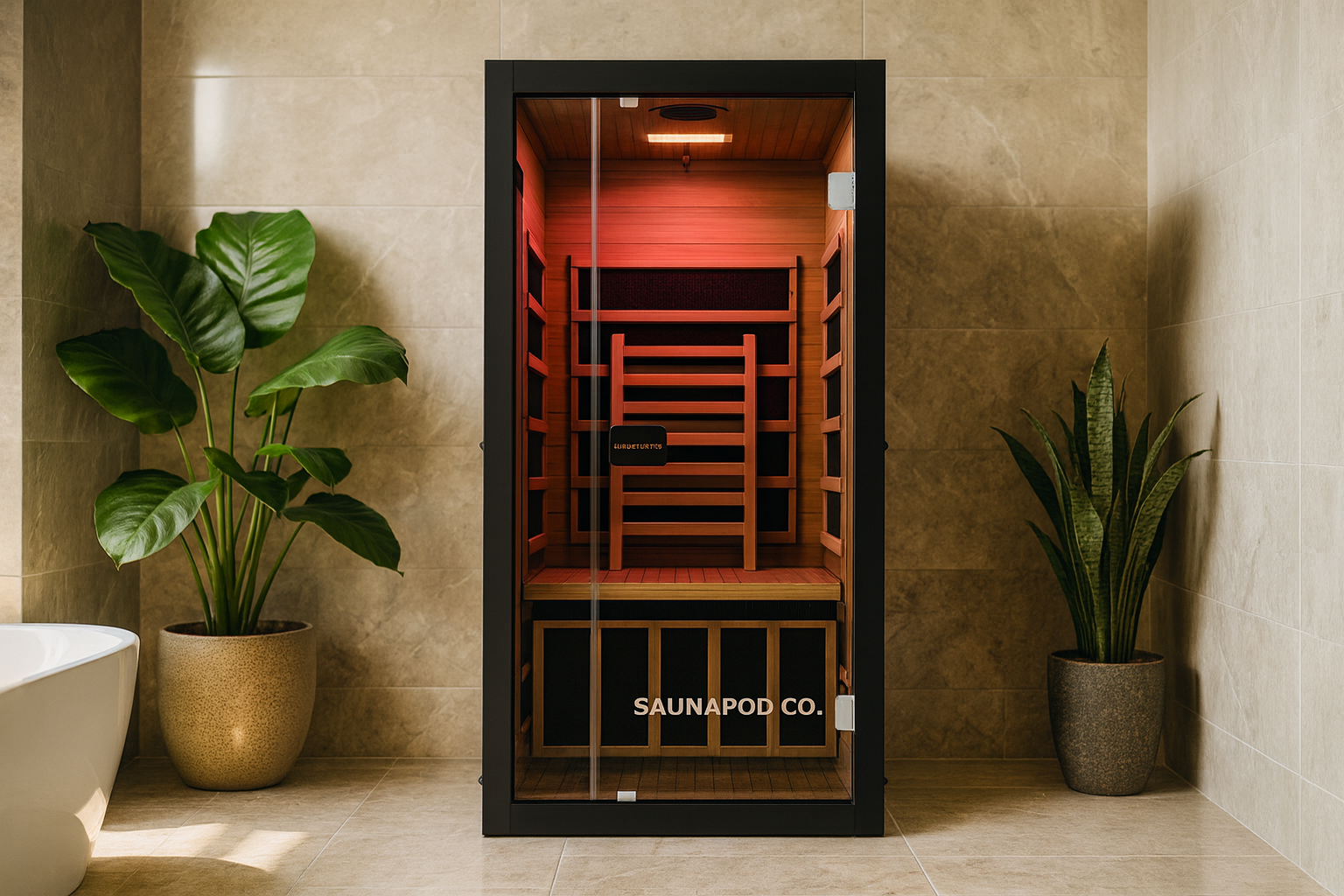
- Exclusive amenities: Private hot tubs, outdoor baths, wood-fired saunas
- Customisable packages: Special occasion setups, celebration packages
14. Operational Excellence
Guest Experience
Enhance satisfaction through:
- Streamlined check-in: Self-check-in options or personal welcome process
- Detailed guest information: Digital or physical guides to the accommodation and area
- Welcome packs: Local products, essential supplies, personalised notes
- Attention to detail: Quality linens, comfortable furniture, thoughtful touches
- Responsive communication: Quick handling of questions and concerns
15. Maintenance and Longevity
Protect your investment with:
- Preventative maintenance schedules: Regular checks of structures and systems
- End-of-season deep cleaning: Thorough preparation for the next season
- Refurbishment planning: Budgeting for periodic updates to maintain standards
- Weather preparation: Winterising canvas structures, drainage solutions
- Security measures: Protecting unoccupied units during off-peak periods
16. Scaling and Growth
Expansion Strategies
Consider future growth through:
- Adding accommodation units: Increasing capacity on existing land
- Extending seasons: Adding heating or weatherproofing for year-round operation
- Diversifying offerings: Introducing new accommodation types or experiences
- Multiple locations: Developing sites in different regions
- Franchise opportunities: Creating a brand that can be replicated
17. Exit Strategy Planning
Consider long-term options:
- Business sale: Building a profitable operation with transferable systems
- Management company: Hiring teams to run daily operations
- Property development: Potential for conversion to permanent accommodation
- Family succession: Creating a sustainable family business
Conclusion
Starting a glamping business in the UK offers exciting opportunities for entrepreneurs who combine a passion for hospitality with a love of the outdoors. While the initial setup requires careful planning and investment, the growing market demand and potential for strong returns make this an attractive business proposition.
Success in the glamping industry comes from creating memorable experiences and marketing that experience in the right way which exceeds guest expectations while maintaining operational efficiency and environmental responsibility. By focusing on quality, authenticity, and guest satisfaction, your glamping business can thrive in this competitive but rewarding sector.